venerdì 30 marzo 2018

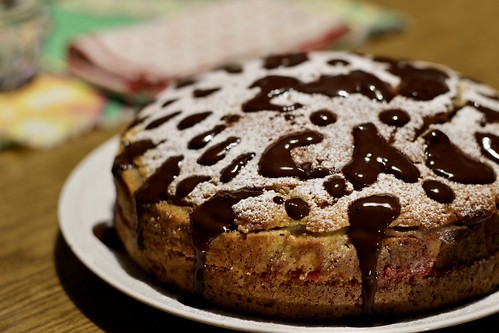
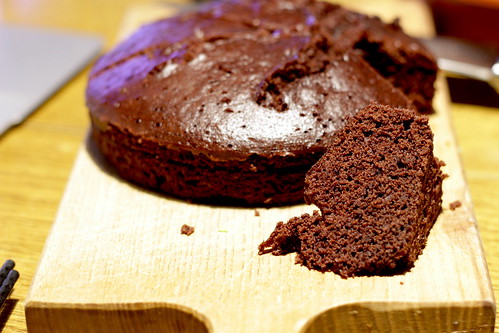
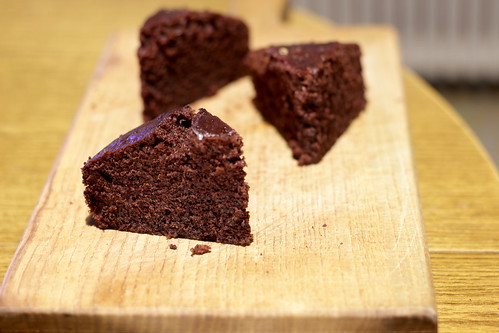
Torta alla frutta (senza latticini) • Fruit cake (dairy free)

English version here.

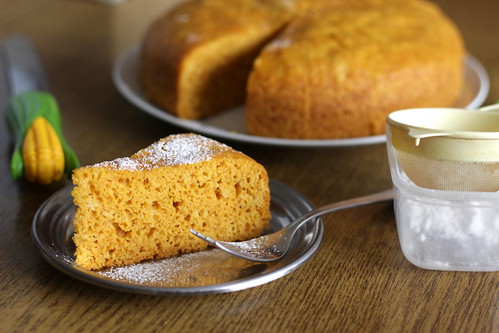
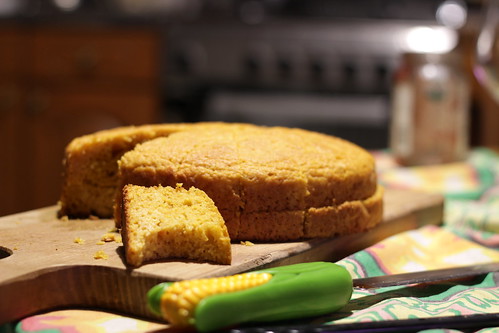
Steamed carrot apple cake

Ricetta

Attrezzatura

  • Bilancia
  • Frullatore
  • Ciotola
  • Carta forno
  • Tortiera 24 cm
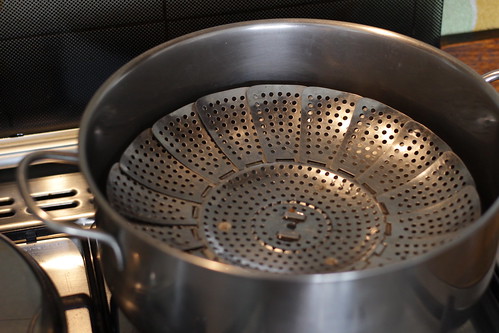
  • Pentola + cestello per cuocere al vapore + coperchio
    Steaming setup

Ingredienti

  • Uova 2 (100 g)
  • Frutta (carote + mele cotte) 380 g
  • Olio (girasole) 60 g
  • Farina 250 g
  • Lievito istantaneo 16 g
  • Zucchero 130 g
  • Sale 2 g
  • Aromi (pizzico di cannella)

Preparazione

  1. Frullare uova, frutta, olio
  2. Setacciare in una ciotola farina, lievito, zucchero, sale e cannella
  3. Mescolare i liquidi nelle polveri
  4. Versare nella tortiera
  5. Cuocere in forno o al vapore per 40-45 minuti fino a temperatura interna 84ºC o prova stecchino

Info

Calorie/100 g260 kcal
Carboidrati63%
Proteine7%
Grassi30%
Costo ingredienti0,83 euro
Euro/kg0,97 euro


English

Steamed carrot apple cake

Recipe

Equipment

  • Kitchen scale
  • Blender
  • Bowl
  • Parchment paper
  • Cake tin 24 cm diameter
  • Oven of steamer setup

Ingredients

  • Eggs 2 (100 g)
  • Fruit (carrots + cooked apples) 380 g
  • Oil (sunflower) 60 g
  • Flour 250 g
  • Baking powder 16 g
  • Sugar 130 g
  • Salt 2 g
  • Flavours (pinch of cinnamon)

Method

  1. Blend eggs, fruits and oil
  2. Sift flour, baking powder, sugar and salt in a bowl
  3. Mix all the ingredients together
  4. Pour in the cake tin
  5. Bake at 180ºC or steam for 40-45 minutes until a skewer comes out clean (internal temperature 84ºC)

Nutritional facts

Calories 100 g260 kcal
Carbohydrates63%
Proteins7%
Fat30%

lunedì 19 marzo 2018

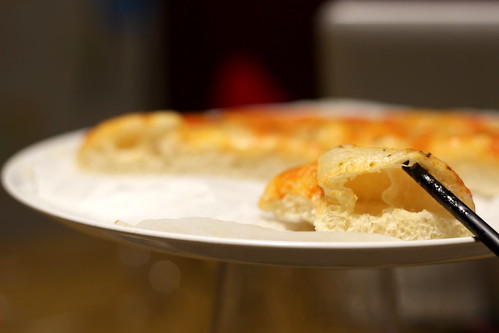
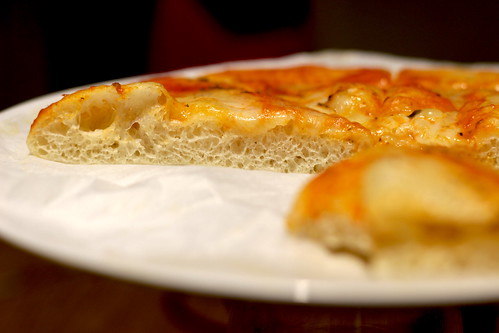
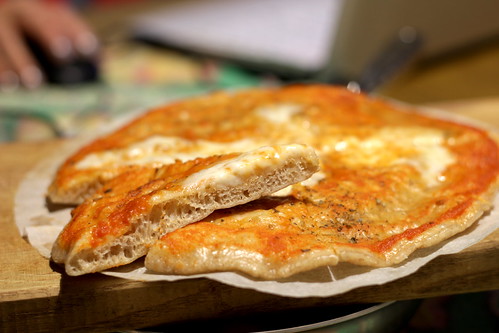
Pizza al vapore • Steamed pizza

English version here.
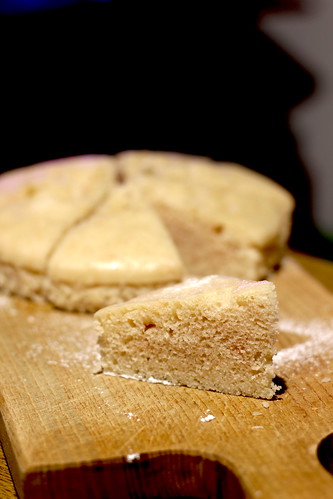
Steamed pizza

Ricetta

Attrezzatura

  • Ciotola
  • Pentola + cestello per cuocere al vapore + coperchio
    Steaming setup

Ingredienti

  • Acqua tiepida (36ºC) 300 g
  • Lievito (secco) 5 g
  • Zucchero 2 g (opzionale, attiva il lievito più velocemente)
  • Olio EVO 5-20 g (opzionale)
  • Farina 500 g
  • Sale 10 g
  • Pomodoro, mozzarella e condimenti a piacere

Preparazione

  1. Opzionale, dipende dal tipo di lievito. Qualche lievito si attiva senza questo passaggio. Mettere lievito + zucchero + nell'acqua fino a che si forma una schiumetta (significa che il lievito è attivato).
  2. Impastare tutti gli ingredienti. A mano per 15 minuti, in planetaria 7-8. Impasto deve essere liscio, uniforme e non si deve attaccare alle mani.
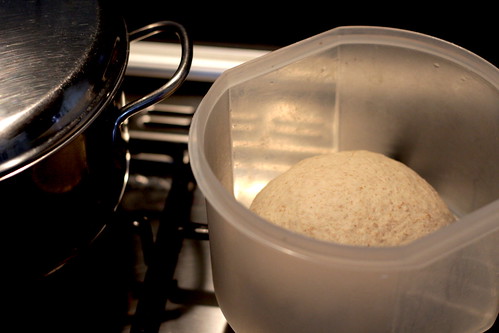
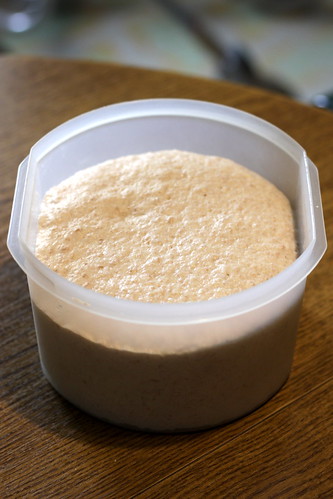
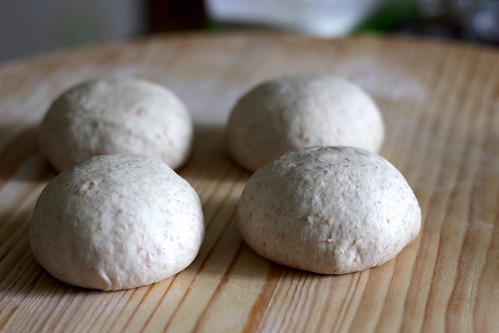
  3. Mettere l'impasto in un contenitore ermetico, far lievitare fino al raddoppio. Da 1 ora in su, dipende dalla temperatura.
    Pizza dough

    Fermented pizza dough
  4. Formare i panetti. Peso in base alla dimensione desiderata. Si possono conservare i panetti non utilizzati in frigorifero fino a 3-4 giorni. In freezer fino a 6 mesi.

    Steamed pizza
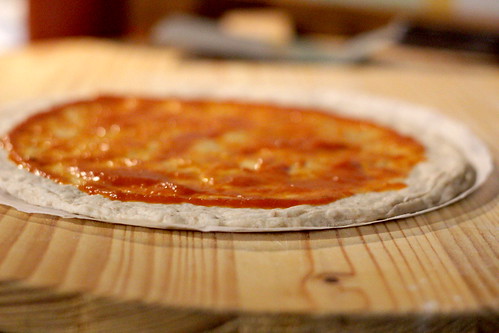
  5. Stendere l'impasto, condire con il pomodoro

    Pizza
  6. Far lievitare per 30 minuti (opzionale, ma credo che con questo passaggio si ottenga un impasto più soffice)
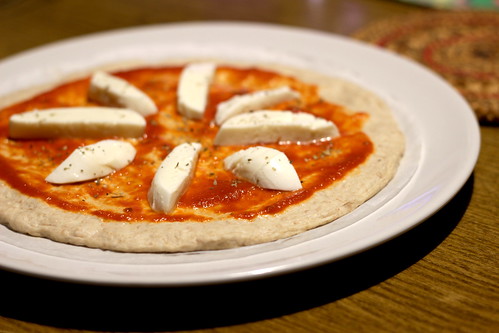
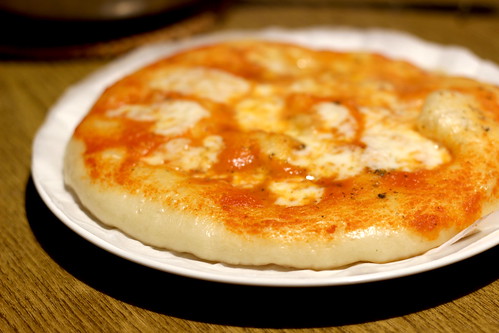
  7. Condire con il resto degli ingredienti e cuocere a vapore per 10 minuti.
Steamed pizza
Steamed pizza
Steamed pizza
Steamed pizza

Info impasto

Calorie/100 g250 kcal
Carboidrati85%
Proteine12%
Grassi3%
Costo ingredienti0,20 euro
Euro/kg0,25


English

Wholemeal steamed pizza

Recipe

Equipment

  • Bowl
  • Pot + steaming basket + lid

Ingredients

  • Water (36ºC) 300 g
  • Yeast (fresh or dry) 5 g
  • Sugar 2 g (optional, speed up the yeast activation)
  • Extra virgin olive oil 5-20 g (optional)
  • Flour 500 g
  • Salt 10 g
  • Toppings: tomato sauce, mozzarella and any other at your taste

Method

  1. Activate the yeast by put the yeast in the water with sugar. It should start bubbling after 10 minutes.
  2. Knead all the ingredients. 15 minuti by hands, 7-8 with the mixer. The dough should be smooth, uniform and do not stick to the hands.
  3. Put the dough in an airtight container. Let it rise until double in size. It should take more than 1 hour, depends on the temperature. The warmer the quicker.
  4. Form pizza balls. Weight based on the desidered dimension. Balls could be stored in the fridge up to 3-4 days, 6 months in the freezer.
  5. Stretch the pizza dough, top with tomato sauce
  6. Let it rise for 30 minutes (optional but I think that this step produce a softer pizza)
  7. Top with the rest of the ingredients and steam for 10 minutes.

Nutritional facts

Calories 100 g250 kcal
Carbohydrates85%
Proteins12%
Fat3%

venerdì 16 marzo 2018

Torta all'olio (ricetta base) • Cake with oil (basic recipe)

English version here.

Cake

La ricetta

Attrezzatura

  • Forno
  • Frullatore
  • Ciotola
  • Frusta
  • Setaccio/Colino
  • Spatola (Marisa)
  • Tortiera
  • Carta forno

Ingredienti

  • Uova 2 (110 g)
  • Olio vegetale (girasole) 60 g
  • Latte 90 g
  • Carote (o qualsiasi altro frutto) 250 g
  • Farina 00 250 g
  • Zucchero 130 g
  • Lievito chimico 10 g
  • Sale 2 g
  • Aromi a piacere (vaniglia, buccia di limone o arancia, cannella ecc.)

Preparazione

  1. Forno a 180ºC
  2. Frullare uova, olio, latte e carote
  3. Settaciare il resto degli ingredienti in una ciotola
  4. Incorporare i liquidi nelle polveri
  5. Versare nella tortiera
  6. Cuocere fino a temperatura interna 90ºC; circa 35 minuti, fare la prova stecchino

Dati nutrizionali

Calorie per 100 g270 kcal
Carboidrati68%
Proteine8%
Grassi31%
Costo ingredienti0,82 euro
Euro/kg0,69 euro

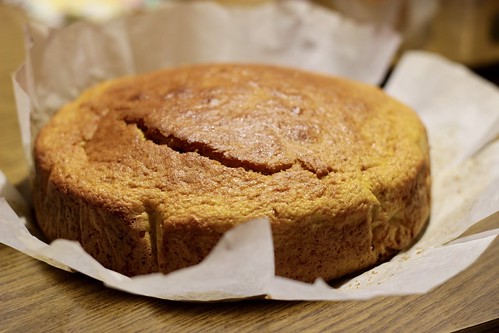
Carrot cake


English

Carrot cake

The recipe

Equipment

  • Oven
  • Blender
  • Bowl
  • Whisk
  • Sieve/Colander
  • Spatula
  • Cake tin
  • Parchment paper

Ingredients

  • Eggs 2 (110 g)
  • Vegetable oil (sunflower) 60 g
  • Milk 90 g
  • Carrots (or any other fruit) 250 g
  • Flour 00 250 g
  • Sugar 130 g
  • Baking powder 10 g
  • Salt 2 g
  • Other flavours at your preference (vanilla, cinnamon, citrus zest etc.)

Method

  1. Pre-heat the oven at 180ºC
  2. Blend eggs, oil, milk and carrot
  3. Sift the rest on the ingredients in a bowl
  4. Mix the liquids into the dry ingredients
  5. Pour the mixture in the cake tin
  6. Bake until internal temperature reach 90ºC; about 35 minutes, test with a skewer
  7. done.

Nutritional facts

Calories 100 g270 kcal
Carbohydrates68%
Proteins8%
Fat31%

giovedì 15 marzo 2018

Torta al vapore • Steamed cake

English version here.

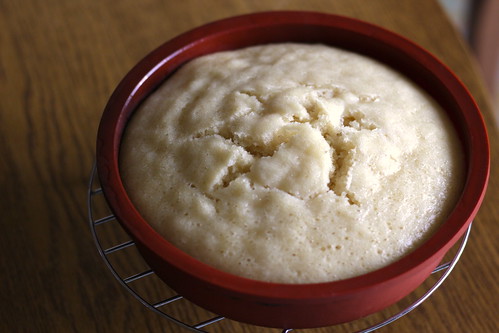
Steamed cake

La ricetta

Rivisitazione della ricetta di Giallozafferano.

Attrezzatura

  • 2 ciotole
  • Frusta
  • Spatola (la Marisa)
  • Tortiera da 18 cm
  • Cestello per cottura al vapore
  • Pentola che deve contenere cestello + tortiera e che deve essere chiusa con il coperchio
  • Pentola + cestello per cuocere al vapore + coperchio
    Steaming setup

Ingredienti

  • Zucchero 150 g
  • Acqua 165 g
  • Olio vegetale (girasole) 45 g
  • Farina 00 130 g
  • Lievito chimico 8 g
  • Sale 2 g

Preparazione

  1. Inserire il cestello nella pentola, versare acqua, portare ad ebollizione (il livello dell'acqua non deve superare il cestello)
  2. In una ciotola mescolare zucchero + acqua + olio
  3. In un'altra ciotola setacciare farina, cacao, lievito e sale
  4. Versare i liquidi nelle polveri e mescolare con la frusta fino ad ottenere una pastella priva di grumi
  5. Versare il composto nella tortiera
  6. Cuocere per circa 40 minuti o fino a temperatura interna 95ºC o prova stecchino
  7. Lasciar raffredare
  8. Sformare
  9. Mangiare

Dati nutrizionali

Calorie 100 g300
Carboidrati60%
Proteine5%
Grassi35%
Costo totale ingredienti0,23 euro
Peso finale440 g
Prezzo al kg0,52 euro


English

Steamed cake

The recipe

Utensils

  • 2 bowls
  • Whisk
  • Spatula
  • Cake tin 18 cm diameter
  • Steamer basket
  • Pot that contain steamer + cake tin and can be covered with the lid

Ingredients

  • Sugar 100 g
  • Water 165 g
  • Vegetable oil (sunflower) 45 g
  • Cake (AP) flour 150 g
  • Baking powder 8 g
  • Salt 2 g

Method

  1. Put the steamer on the pot, pour water, bring to a boil (water level should be under the steamer)
  2. In a bowl, mix sugar, water and oil until sugar is dissolved
  3. In another bowl sieve flour, cocoa powder, baking powder and salt
  4. Pour the liquids on the dry ingredients and whisk until smooth
  5. Pour the batter on the tin
  6. Cook for 40 minutes (internal temperature 95ºC • 203 F
  7. Let it cool
  8. Eat

Nutritional facts

Calories 100 g300 kcal
Carbohydrates60%
Proteins5%
Fat35%

mercoledì 14 marzo 2018

Torta al cacao senza forno (al vapore) • Chocolate cake no bake (steamed)

English version here.

Chocolate cake no bake (steamed)

La ricetta

Rivisitazione della ricetta di Giallozafferano.

Attrezzatura

  • 2 ciotole
  • Frusta
  • Spatola (la Marisa)
  • Tortiera da 18 cm
  • Cestello per cottura al vapore
  • Pentola + cestello per cuocere al vapore + coperchio
    Steaming setup

Ingredienti

Ingredientex8x16x32
Zucchero 100 200 400
Acqua 165 330 660
Olio vegetale 45 90 180
Farina 00 130 260 520
Cacao 20 40 80
Lievito chimico 8 16 32
Sale 2 4 8

Preparazione

  1. Inserire il cestello nella pentola, versare acqua, portare ad ebollizione (il livello dell'acqua non deve superare il cestello)
  2. In una ciotola mescolare zucchero + acqua + olio
  3. In un'altra ciotola setacciare farina, cacao, lievito e sale
  4. Versare i liquidi nelle polveri e mescolare con la frusta fino ad ottenere una pastella priva di grumi
  5. Versare il composto nella tortiera
  6. Cuocere per circa 40 minuti o fino a temperatura interna 95ºC o prova stecchino (al microonde 19 minuti a potenza 220W)
  7. Lasciar raffredare
  8. Sformare
  9. Mangiare

Dati nutrizionali

Calorie 100 g300
Carboidrati60%
Proteine5%
Grassi35%
Costo totale ingredienti0,53 euro
Peso finale440 g
Prezzo al kg1,20 euro


Chocolate cake no bake (steamed)

Utensils

  • 2 bowls
  • Whisk
  • Spatula
  • Cake tin 18 cm diameter
  • Steamer basket
  • Pot that contain steamer + cake tin and can be covered with the lid

The recipe

Ingredients

  • Sugar 100 g
  • Water 165 g
  • Vegetable oil (sunflower) 45 g
  • Cake (AP) flour 130 g
  • Cocoa powder 20 g
  • Baking powder 8 g
  • Salt 2 g

Method

  1. Put the steamer on the pot, pour water, bring to a boil (water level should be under the steamer)
  2. In a bowl, mix sugar, water and oil until sugar is dissolved
  3. In another bowl sieve flour, cocoa powder, baking powder and salt
  4. Pour the liquids on the dry ingredients and whisk until smooth
  5. Pour the batter on the tin
  6. Cook for 40 minutes (internal temperature 95ºC • 203 F
  7. Let it cool
  8. Eat

Nutritional facts

Calories 100 g300 kcal
Carbohydrates60%
Proteins5%
Fat35%

sabato 22 ottobre 2016

Layer cake ver. 1

English version below.
Layer cake

La ricetta

Attrezzatura

  1. anello da pasticceria per torte 16 cm di diametro, 8 cm altezza
  2. fogli di acetato 20 cm di altezza (trovati dopo aver passato 8 pasticcerie!)
  3. forno
  4. planetaria o fruste elettriche
  5. teglia da forno per il pan di spagna o equivalente (la mia 36x35 cm)

Ingredienti

Pan di spagna

  • zucchero 175 g
  • uova 250 g (4/5)
  • farina 00 150 g
  • maizena 50 g

Crema alla ricotta

  • ricotta 500 g
  • zucchero 50 g
  • cacao 20 g

Il resto

  • latte 200 g
  • zucchero 5 g
  • caffè a piacere
  • marmellata di albicocche 400 g
  • biscotti frollini 70 g
  • arachidi salate 70 g

Preparazione

Pan di Spagna

  1. uova e zucchero in una bastardella/ciotola
  2. portare a 40°C utilizzando bagnomaria
  3. montare con fruste/planetaria per 7 minuti max velocità (composto molto denso che scrive)
  4. setacciare farina e maizena
  5. incorporare farine al composto di uova
  6. versare in teglia e cuocere a 180°C per circa 15 min (superficie dorata); in mancanza di teglia regolarsi in modo da ottenere 4 dischi da 16 cm alti 1 cm
Sponge cake batter
impasto prima di infornare

Sponge cake
dischi di pan di spagna

Sponge cake
dischi di pan di spagna

Sponge cake
ritagli avanzati (non buttateli eh!)

Crema ricotta

  1. in una ciotola capiente mescolare tutti gli ingredienti con una frusta fino ad ottenere un composto uniforme
Ricotta cocoa cream
crema di ricotta

Marmellata

  1. metterla in una ciotola e mescolarla fino a farla diventare spalmabile
Jam
marmellata

Bagna

  1. combinare latte, caffè e zucchero

Crumble

  1. tritare biscotti e arachidi, consistenza a piacere
Peanuts & cookies
biscotti ed arachidi


Mise en place
tutto pronto per l'assemblaggio!

Assemblaggio

  1. tagliare il pan di spagna con l'anello da torte  (ottenendo 4 dischi)
  2. posizionare l'anello per torte su una superficie rigida (disco in cartone per torte) e riverstirlo con il foglio di acetato
  3. posizionare il primo disco di pan di spagna sul fondo
  4. inzuppare con la bagna
  5. spalmare 1/3 di marmellata
  6. spolverare con 1/4 di crumble
  7. spalmare 1/4 di crema di ricotta
  8. ripetere per i restanti 4 strati (nell'ultimo non ho messo la marmellata)
  9. in freezer per almeno 4/5 ore
  10. scongelare 2/3 ore prima di consumare (togliere anello e acetato appena tirato fuori dal freezer)

Dati nutrizionali (12 porzioni)

DatoTotalePer porzione
Peso ingredienti 1610 g 134 g
Peso finale 1510 g 126 g
kcal 3780
315
kcal/100 g 250 250
Carboidrati 648.09 g (69%) 54.01 g
Proteine108.61 g (11%) 9.05 g
Grassi 83.64 g (20%) 6.97 g
Costo €3.21 €0.27

Layer cake ver. 1


Layer cake ver. 1


Layer cake ver. 1


Layer cake ver. 1


Layer cake ver. 1


Layer cake ver. 1


Layer cake

IMG_7699

IMG_7700

Layer cake


Recipe

Equipment

  1. cake ring 16 cm diameter, 8 cm height
  2. acetate sheet 20 cm height (found after being in 8 pastry shops!)
  3. oven
  4. stand mixer or electric whisks
  5. oven tray or equivalent(mine 36x35 cm)

Ingredients

Sponge cake

  • sugar 175 g
  • eggs 250 g (4/5)
  • flour 00 150 g
  • cornstarch 50 g

Ricotta cream

  • ricotta 500 g
  • sugar 50 g
  • cocoa powder 20 g

All the rest

  • milk 200 g
  • sugar 5 g
  • coffee at your taste
  • apricot jam 400 g
  • cookies 70 g
  • salted peanuts 70 g

Method

Sponge cake

  1. put eggs and sugar in a bowl
  2. whisk on a bainmarie, bring to 40°C
  3. whip on a standard mix for 7 minutes at max speed (it should come very dense)
  4. sift flour and cornstarch
  5. fold flours in the egg mixture
  6. spread on the baking tray and bake at 180°C for about 15 min (surface has to be gold but not brown :D); the goal is to obtain 4 discs of 16 cm of diameter, 1 cm height

Ricotta cream

  1. in a bowl, mix all ingredients

Jam

  1. in a bowl, mix until spreadable

Soak

  1. combine milk, coffee and sugar at your taste

Crumble

  1. grind cookies and peanuts at your prefer texture

Assembling

  1. cut the sponge cake with the cake ring and obtain 4 discs
  2. put the cake ring on a rigid surface (it has to go in the freezer) with the acetate in the inside
  3. put the first disc on the bottom
  4. soak
  5. spread 1/3 of the jam
  6. sprinke with 1/4 of the crumble
  7. spread 1/4 of the ricotta cream
  8. repeat for the other layers (no jam on the top layer)
  9. in the freezer for at least 4/5 ore
  10. defrost 2/3 hours before eating (take off cake ring and acetate just after take off the freezer)

Nutrition facts (12 portions)

FactTotalsPer portion
Weight of ingredients 1610 g 134 g
Final weight 1510 g 126 g
kcal 3780
315
kcal/100 g 250 250
Carbohydrates 648.09 g (69%) 54.01 g
Proteins108.61 g (11%) 9.05 g
Fats 83.64 g (20%) 6.97 g
Price €3.21 €0.27

lunedì 4 marzo 2013

Il menù salvasoldi / The save money menu

English version here.

La foto

Tuna tomato carrot sauce

La storiella

Dispensa, frigo e freezer erano vuoti dalla settimana scorsa. Così ho deciso di fare un altro dei miei esperimenti. :D Preparare tutti i pasti per le seguenti 2 settimane spendendo il meno possibile. Unico vincolo è stato un menù giornaliero di circa 1900 kcal che prevedesse una ripartizione di minimo 45% di carboidrati, 15% di proteine e 25% di grassi.
Ho usato questo per i calcoli.

Risultato: $31.31 dollari australiani (circa 24.5 Euro), $15 (11.72 euro) a settimana, $2.24 (1.75 euro) al giorno. Sembra impossibile, vero?

Ipotizziamo che un ipotetico Sig. Taccagno viva per un anno restando su questo budget.
D'altra parte consideriamo il suo collega, il Sig. Bellavita che non cucina mai a casa ed esce sempre a mangiare (le cifre sono abbastanza approssimative):

  • 5 euro per la colazione
  • 10 euro per il pranzo
  • 20 euro a cena

Al giorno: 35 euro.
Alla fine dell'anno:

  • Sig. Bellavita 35 x 365 = $12.775
  • Sig. Taccagno 1.75 x 365 = $638,75

Il Sig. Bellavita vuole denunciare il Sig. Taccagno al fisco perché non capisce come possa avere più di 12.000 euro in banca rispetto a lui. :D

Ovviamente sono due casi estremi (o forse no?), i calcoli sono approssimativi e la realtà sta nel mezzo.

Morale della favola:

  • se si vuole spendere meno, cucinarsi i pasti a casa: comprare ingredienti freschi economici di stagione e trasformarli in un sano e semplice piatto; se gli ingredienti sono buoni non serve fare "acrobazie" ai fornelli;
  • è utile imparare a comprare in modo efficiente: pianificare il menù settimanale (o mensile) e comprare solo gli ingredienti necessari; essere flessibili e sostituire alcuni ingredienti con altri in offerta o più economici perché in stagione;

Mi fa sorridere quando sento "Non abbiamo soldi per arrivare a fine mese", specialmente quando vedo il frigo di queste persone pieno di avanzi che iniziano a "stagionare" e a produrre una bella patina di muffa (alla faccia della sicurezza alimentare della famiglia). Ho notato che molta gente compra un ingrediente che vogliono utilizzare in una nuova ricetta, ne usano 1/4 della confezione e poi mettono da parte. Può andar bene per le farine, riso e ingredienti secchi che possono essere conservati a lungo. Ma per quelli freschi come frutta, verdura, sottoaceti/olio, latticini lasciati in frigo a "fermentare" per giorni, settimane, mesi? Ecco come si produce lo spreco alimentare!
Soluzione: la prima volta che si compra un nuovo ingrediente, comprarne solo la quantità necessaria per la ricetta. Non comprare la confezione maxi solo perché è più conveniente di quella piccola... quello si può fare una volta realizzato che ti piace sul serio.

Se non si riesce a consumare tutto l'ingrediente:

  • pianificare come utilizzare gli avanzi prima della data di scadenza; se non piace... basta imparare a farselo piacere! Io mi dico sempre "Se piace a qualcuno deve esserci la 'chiave' per capire perché è buono". Assaggiarne solo un poco all'inizio, trovare un modo alternativo di cucinarlo se quello provato non è piaciuto;
  • usare tutto l'ingrediente! Basta modificare la ricetta in modo tale da consumare tutta la quantità disponibile. Per esempio, se la ricetta prevede 200 g di burro e 400 g di farina e voglio consumare i 300 g di burro che ho in frigo: uso 600 g di farina (il doppio del burro).

Non provare troppe ricette e nuovi ingredienti in una sola volta. (Preparare una cena per gli amici con tutte ricette nuove per me è una sorta di suicidio). Una ricetta nuova alla settimana con massimo 1-2 nuovi ingredienti. La si prova 2-3 o più volte fino a quando si entra in confidenza, si ha il controllo di tutti i passaggi della ricetta ed il risultato finale è soddisfacente.
La prima volta che si prova a fare qualcosa di nuovo è ovvio che si può "cannare", anzi direi che se non succede è anormale. :) Il punto è non mandare tutto a quel paese ma provare e riprovare fino a quando si riesce. Qui sta la differenza tra quelli che riescono e quelli che non combinano mai niente. Non credo alle persone che dicono "Non sono bravo a cucinare". Sono solo pigri. ;)
Si può fare bene o male tutto, basta dedicarci tempo. I talenti ci riescono dopo 1-2 volte, quelli come me dopo 10-20 (o anche 100-200 :D).

E voi siete efficienti a far la spesa? Quanto spendete per persona a settimana? ;)

Le ricette

Pasta con sgombro, pomodoro, carote, curry

Ingredienti Mise en place

  • Olio di oliva: 20 g
  • Cipolla tritata fine: 400 g
  • Aglio tritato: 50 g
  • Carote tagliate a dadini: 400 g
  • Passata di pomodoro: 300 g
  • Sgombro in scatola al naturale: 600 g
  • Pasta: 560 g
  • Sale, pepe, curry a piacere

Preparazione

  1. In una pentola capiente a fuoco medio basso, versare olio, cipolla, aglio, carote e acqua necessaria a coprire il fondo della padella
  2. dopo un paio di minuti regolare di sale e pepe (curry a piacere)
  3. far "sudare" fino a quando le verdure diventano morbide, circa 10 minuti
  4. versare la passata di pomodoro, regolare di sale e pepe (io un pizzico di zucchero per regolare l'acidità)
  5. cuocere per un paio di minuti
  6. aggiungere lo sgombro, dividerlo in pezzetti di dimensione uniforme (dipende se vi piace trovare il "pezzettino" da masticare :))
  7. portare ad ebollizione 5 litri di acqua con 50 g di sale (avete un pentolone grande, vero? Altrimenti usate 2 pentole! :))
  8. cuocere la pasta al dente (direi anche meno, una volta conservata si ammorbidisce ancora di più)
  9. scolare la pasta nel sugo, mescolare e cuocere per un paio di minuti
  10. dividere in 14 porzioni

Dati nutrizionali

Calorie per porzione250 kcal
Carboidrati58%
Proteine18%
Grassi24%

Pasta mackerel carrot tomato

Pasta mackerel carrot tomato

Pasta con tonno, pomodoro, carote

Ingredienti Mise en place

  • Olio di oliva: 20 g
  • Cipolla tritata fine: 500 g
  • Aglio tritato: 50 g
  • Carote: 3 kg
  • Passata di pomodoro: 1 kg
  • Tonno in scatola al naturale: 1200 g
  • Pasta: 1120 g
  • Formaggio a pasta dura (qui si chiama tasty cheese): 420 g
  • Sale, pepe, spezie a piacere

Preparazione

  1. Tagliare 1.5 kg di carote a dischi di circa 1 cm; cuocere al microonde con un poco d'acqua per 7-8 minuti fino a quando diventano morbide; frullare, regolare di sale e pepe
  2. Tagliare il resto delle carote e la cipolla a brunoise
  3. In una pentola capiente a fuoco medio basso, versare olio, cipolla, aglio, carote e acqua necessaria a coprire il fondo della padella
  4. dopo un paio di minuti regolare di sale e pepe (spezie a piacere, io ho messo timo secco e paprika);
  5. far "sudare" fino a quando le verdure diventano morbide, circa 10 minuti;
  6. versare la passata di pomodoro e la crema di carote, regolare di sale e pepe (io un pizzico di zucchero per regolare l'acidità)
  7. cuocere per un paio di minuti
  8. aggiungere il tonno, dividerlo in pezzetti di dimensione uniforme, cucinare per un altro paio di minuti
  9. dividere in 14 porzioni

Questo sugo lo uso per condire 80 g di pasta a cena. Alternativa 80 g di riso o noodles o

Dati nutrizionali

Calorie per porzione640 kcal
Carboidrati53%
Proteine26%
Grassi21%

Tuna tomato carrot sauce

Pasta mackerel carrot tomato

Muffin alle carote

Ingredienti Mise en place

Quantità per 96 muffins. Io ne faccio 24 al colpo, visto che ho solo 2 teglie da 12. :)
Ingredienti a temperatura ambiente, mi raccomando. Tra parentesi quantità per 24 muffins.

  • Carote: 1.6 kg (400)
  • Burro fuso: 200 g (50)
  • Latte intero: 400 g (100)
  • Farina 00: 1.6 kg (400)
  • Bicarbonato di sodio: 20 g (5)
  • Zucchero: 720 g (180)
  • Succo di limone o aceto: 20 g (5)
  • Noce moscata: a piacere
  • Sale: 10 g (un pizzico)
  • Uova: 16 (800 g) (4)
  • Vaniglia, rhum a piacere

Preparazione

  1. Forno 180°C
  2. tagliare le carote a pezzi uniformi, cuocere al microonde fino a quando diventano morbide (circa 6-7 minuti)
  3. in una ciotola capiente (devono starci tutti gli ingredienti) setacciare farina, sale, noce moscata, bicarbonato, fare un buco al centro
  4. frullare carote, burro, latte, succo di limone, uova e vaniglia
  5. versare i liquidi nella farina, mescolare poco fino a quando si amalgama il tutto (non troppo altrimenti si sviluppa il glutine della farina e i muffin diventano gommosi)
  6. versare nelle teglie (io uso il cucchiaio da gelato) e infornare per circa 35 minuti (devono essere dorati)
  7. far raffreddare su una graticola

Dati nutrizionali

Calorie per 100 g300 kcal
Carboidrati75%
Proteine8%
Grassi17%

Carrot muffins

L'angolo della cultura


The photo

Tuna tomato carrot sauce

The little history

My pantry, fridge and freezer were empty from last week. So I decided to make another crazy experiment. :D I wanted to prepare all the meals for the next 2 weeks spending as little as possible. The only restriction was building a daily menu of about 1900 kcal, having a minimum of 45% of the total calories composed by carbs, 15% proteins and 25% fat.
I used this spreadsheet for the calculation.

The result: $31.31 Australian dollars (24.5 Euro), about $15 per week, $2.24 per day. Incredible isn't it?

Let's say that an hypothetical Mr. Stingy will live a year on this food budget.
On the other hand, let's have a look at his colleague Mr. Spendthrift. He never cooks at home so every day he will spend:

  • $10 for breakfast
  • $15 for lunch
  • $30 for dinner

Daily total: $45.
At the end of the year:

  • Mr. Spendthrift $45 x 365 = $16,425
  • Mr. Stingy $2.24 x 365 = $817,6

Mr. Spendthrift is very upset because he's not able to realize how Mr Stingy can have $15,607.4 in his bank account more than him. :D

Obviously this are 2 extreme cases (or maybe not? :)) and the reality is in the middle.

The point of this story are:

  • if you want to save some money, cook at home; buy cheap fresh ingredients and transform them in a simple, healthy meal
  • learn to shop efficiently; plan your weekly menu and buy only the ingredients you need

It makes me smiling when people say "We don't have money to reach the end of the month", especially when I see their fridge full of leftovers that start growing musty (are you aware about food safety for your family?). I noticed that people buy an ingredient that they want to use in a new recipe, use about 1/4 of the content and put the rest apart. It's fine if we're talking about flour, rice dry ingredients that can be stored for a long time. But for the fresh one? Pickles, veggies, fruits, dairy product left in the fridge for days, weeks, months... That's how waste food is produced!
Solution: the first time you buy a new ingredient, buy only the quantity that you suppose to use. Don't buy the big jar only because is cheaper than the small one... you can do it once you like it.

If you can't use the whole content of the package:

  • plan how to use the leftovers in an alternative way by the expiring date; if you don't like it... learn how to enjoy it! I say myself "if someone like it, there should be a way to appreciate it". So, just taste a very small quantity at the beginning or find an alternative and better way to prepare that ingredient;
  • use the whole content of the package! Yes, modify the quantities of other ingredients in order to consume it. For example, the recipe provides 200 g of butter and 400 g of flour and you want to use 300 g of butter, use 600 g of flour.

Don't try too many new recipes and ingredients at once. Start with only one recipe a week and 1-2 new ingredients. Cook it 2-3 more times until you become confident, you can control every single step of the recipe and the final result is good for you.
The first time you try to do something new you will fail and the result will be disappointing. That's obvious. The point here is not to give up, try again until you success. I don't believe people saying "I am not able to cook". They're just lazy. :)
You can do everything, you just need to dedicate time to it.

Are you efficient in your shopping? How much do you spend per person per week? ;)

The recipe

Pasta with mackerel, tomato, carrots, curry

Ingredients Mise en place

  • Olive oil: 20 g
  • Onion, diced: 400 g
  • Garlic, diced: 50 g
  • Carrots, diced: 400 g
  • Tomato passata: 300 g
  • Mackerel (canned, in tomato sauce): 600 g
  • Pasta: 560 g
  • Salt, pepper, curry at taste

Method

  1. In a big pot on medium low heat, sweat onion, garlic and carrots covered with oil and water
  2. season with salt, peper and curry at your taste
  3. cook until the veggies are soft, about 10 minutes
  4. stir in the passata, season with salt peper (I put a pinch of sugar in order to lower the acidity)
  5. cook for a couple of minutes
  6. stir in the mackerel, break it in small pieces
  7. bring 5 liters of water to the boil with 50 g of salt (Do you have a big pot? Otherwise use 2 small!)
  8. cook the pasta, drain a couple of minutes before cooked (it will soft once stored)
  9. stir pasta in the sauce, cook for a couple of minutes
  10. divide in 14 portions

Nutritional facts

Calories per portion250 kcal
Carbohydrates58%
Proteins18%
Fat24%

Pasta mackerel carrot tomato

Pasta mackerel carrot tomato

Pasta with tuna, tomato, carrots

Ingredients Mise en place

  • Olive oil: 20 g
  • Onion, diced: 500 g
  • Garlic, diced: 50 g
  • Carrots: 3 kg
  • Tomato passata: 1 kg
  • Tuna (canned, in brine): 1200 g
  • Pasta: 1120 g
  • Tasty cheese: 420 g
  • Salt, pepper, spices at taste

Method

  1. Dice 1.5 kg of carrots in even pieces, cooked in the microwave until soft (about 7-8 minutes); puree, season with salt and pepper (I used cumin)
  2. Dice the rest of carrots
  3. In a big pot on medium low heat, sweat onion, garlic and carrots covered with oil and water
  4. season with salt and pepper, cook until the veggies are soft, about 10 minutes
  5. stir in the tomato passata and the carrot puree, season with salt peper, spices at taste (I put thyme and paprika)
  6. cook for a couple of minutes
  7. stir in the mackerel, break it in small pieces
  8. divide in 14 portions

I use this sauce for my pasta at dinner (you can substitute 80 g of pasta with same quantity of rice/noodles).

Nutritional facts

Calories per portion640 kcal
Carbohydrates53%
Proteins26%
Fat21%

Tuna tomato carrot sauce

Pasta mackerel carrot tomato

Carrot muffins

Ingredients Mise en place

Quantities for 96 muffins. I bake 24 a time, since I have 2 trays. :)
Ingredients at room temperature. On parenthesis quantities for 24 muffins.

  • Carrots: 1.6 kg (400)
  • Melted butter: 200 g (50)
  • Full cream milk: 400 g (100)
  • Plain flour: 1.6 kg (400)
  • Soda bicarbonate: 20 g (5)
  • Caster sugar: 720 g (180)
  • Lemon juice or white vinegar: 20 g (5)
  • Nutmeg or cinnamon: at taste
  • Salt: 10 g (a pinch)
  • Eggs: 16 (800 g) (4)
  • Vanilla, rhum at taste

Method

  1. Oven 180°C
  2. Dice 1.5 kg of carrots in even pieces, cooked in the microwave until soft (about 6-7 minutes)
  3. in a big bowl (it will contain all the ingredients) sift flour, nutmeg, salt, soda bicarbonate, sugar; make a well in the center
  4. blend carrots, butter, milk, lemon juice, eggs and vanilla
  5. pour the liquids in the versare in the flour, mix until combined, not overmix (otherwise gluten in the flour will develop resulting in gummy muffins)
  6. pour the batter in the trays (i use an ice cream serving spoon)
  7. bake for about 35 minutes, they should be gold
  8. cool on a cooling rack

Nutritional facts

Calories per 100 g300 kcal
Carbohydrates75%
Proteins8%
Fat17%

Nutritional facts

Calories kcal
Carbohydrates%
Proteins%
Fat%

Carrot muffins

The culture corner